Residential Walk-In Tubs for Safer Bathing at Home
Compare estimates, no obligation
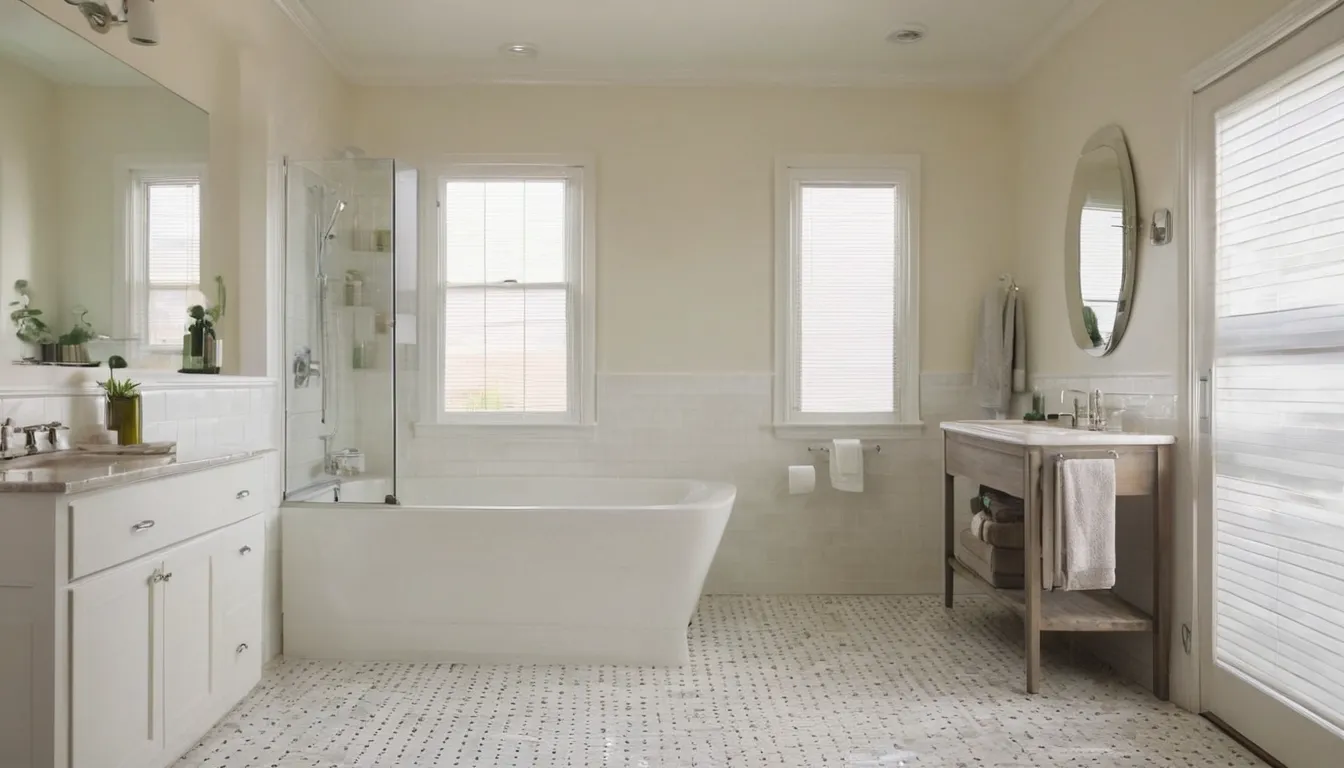
A walk-in tub has a watertight door in its side, a built-in seat, and a low step-in height. You open the door, sit down, close it, and let the tub fill. That cuts out the high climb over the wall, which is where many bathing falls start.
Opensappreciate Walk-In Tubs is a referral service. We do not install tubs. We connect homeowners in Joliet and the Joliet area with independent providers in our network, so you can compare estimates side by side. Measure, then compare. Nobody pushes you, and you decide at your pace. Use this page to learn the basics, spot the features that matter, and know what to ask before anyone visits your home.
Bathing Feels Risky? Start Here
Stepping over a tub wall is a common spot for slips. If you have grabbed the towel bar to steady yourself, or started skipping baths, take that seriously. It is a good reason to look at options now, before a fall forces the choice.
A walk-in tub has a door in the side. You step in, sit on the built-in seat, and the tub fills around you. There is no climbing and no lowering yourself to the floor of the tub. That idea sits behind most senior walk-in tubs and many safe bathing conversion projects.
Quick Fixes You Can Do This Week
A new tub takes planning. Until then, you can lower the risk with a few hands-on steps:
- Put a non-slip mat made for tubs inside the tub and a dry rug outside it.
- Clear the floor around the tub. Move baskets, scales and bath toys.
- Plug in a nightlight between the bedroom and bathroom.
- Keep a sturdy bath bench or shower stool in reach if you can step in safely.
- Wipe up splashes right away, and use a towel with a good grip on the floor.
These are stopgaps. They do not replace a stable seat and a low entry.
Who a Walk-In Tub Suits
Walk-in tubs help people who like a long, warm soak but struggle with stepping, balance or getting back up. They can suit someone with sore knees or hips, someone recovering from surgery, or a caregiver who wants a calmer routine.
They are not for everyone. You need to be able to sit upright and wait while the tub fills and drains. If transfers are hard, or you use a wheelchair for bathing, a roll-in shower may fit better. Ask a provider to be honest about that.
Common Walk-In Tub Features
Look past the brochure and focus on what you will touch every day:
- Seat height and depth. You should sit with your feet flat and feel supported.
- Door swing. Inward and outward doors both exist. Check which one clears your bathroom layout.
- Grab bars. They should sit where your hands naturally land.
- Textured floor. A slip-resistant surface matters more than a fancy finish.
- Fast drain. Sitting in cooling water waiting for a drain is no fun, so ask about drain speed.
- Handheld sprayer. Handy for rinsing and for cleaning.
Soaker, Jetted and Combination Models
A soaker is a simple deep tub with a seat. It has fewer parts, so there is less to maintain.
A jetted model adds water or air jets. Many people like them for stiff joints. They also add pumps and lines that need cleaning.
A combination model has both. It costs more and takes more room. Choose based on how you will really use it, not on the longest feature list.
Measure, Then Compare
Grab a tape measure and write down a few numbers before you talk to anyone. Measure the tub alcove width, length and wall height. Measure the bathroom door, since the new tub must fit through it. Note where the drain and faucet sit.
With those numbers, each provider's estimate speaks to the same room. That makes side by side comparison fair and easy.
Prep It, Then Pro
Here is a plain split of the work.
You can safely help with clearing the room, removing towel racks and décor, taking photos of the bathroom, and moving things out of the hallway. You can also check the path from the front door to the bathroom.
Leave the rest to a licensed professional where your area requires it. That covers disconnecting plumbing, moving a drain, running a new electrical circuit, cutting the old tub out and setting a heavy tub safely. These jobs need special tools and skills, and mistakes can mean leaks or shock hazards.
What the Installation Involves
A typical job runs in a few stages. The provider removes the old tub or sets the new one in its place. The drain and supply lines get connected, and a jetted model may need a dedicated electrical circuit. The walls around the tub are sealed, tested and finished.
The tub itself is heavy once filled. Many homes here are older frame houses, bungalows and ranches, so ask the provider to check the floor beneath the tub. Basement bathrooms bring their own questions about drain height and where a sump pump sits. Cold winters also matter if the bathroom has an outside wall, so ask about insulation and pipe protection.
Check Your Water Heater
This one surprises people. A walk-in tub is often deeper than a standard tub, and you sit in it while it fills. If the water runs cold halfway, the soak ends early, and you are stuck in a chilly tub.
Check the tank size and age on the label. Note how many minutes of hot water your current tub gives you. Ask each provider whether your heater can keep up, or whether a larger tank or a quick-heat option makes sense.
Questions to Ask the Installer
Bring this list to every visit and ask the same things each time:
- Is the price for the unit, labor, removal and disposal all in one written quote?
- What will you check about my floor, walls and plumbing before you start?
- Who handles permits, and who deals with any electrical work?
- How long will the bathroom be out of use?
- What does the warranty cover, and who services it later?
- Can you help document the project for my records or a claim, if one applies?
Some policies may cover sudden damage, but a planned upgrade is often not covered. Check your own policy.
Living With a Walk-In Tub
There is a routine to learn. You sit down first, then fill the tub, and you stay seated while it drains before opening the door. Plan for a few extra minutes each time.
Keep a robe or warm towel within reach, since you wait for the water to leave. Wipe the door seal now and then, and run the jet cleaning cycle if your model has one. In hot, humid summers, run the bath fan to keep mildew away.
Involve the Person Who Will Use It
If this tub is for a parent or partner, bring them into the choices. Let them sit in a showroom tub if you can. Ask whether the seat feels right, whether the door is easy to handle, and whether they like the controls.
A tub that looks great but feels awkward will sit unused. Their comfort is the whole point.
Decide at Your Pace
Get more than one estimate, read them slowly, and compare the details, not only the total. There is no obligation to say yes to anyone. Take a week if you need it.
What's Included
Step-In Tub With Door
A leak-resistant side door and built-in seat let you enter and sit without climbing over a high tub wall.
Grab Bars
Sturdy bars placed where your hands land help you stand, sit and turn safely.
Slip-Resistant Floor
A textured tub floor adds grip for wet feet, which matters more than a glossy finish.
Old Tub Removal
Many providers include taking out and hauling away your existing tub as part of the quote.
Typical Walk-In Tub Cost Ranges
Prices vary a lot by tub model, bathroom layout and local labor rates. These are typical U.S. ranges, not quotes. Ask each provider for a written quote that lists every line item.
| Item | Typical range | Notes |
|---|---|---|
| Soaker walk-in tub unit | $2,500 – $6,000 | Simple design with a seat and door |
| Jetted or combination unit | $4,000 – $9,000 | Extra pumps and jets add cost |
| Installation labor | $1,500 – $4,500 | Depends on access and layout |
| Plumbing or electrical changes | $500 – $3,000 | Moved drains or new circuits |
| Floor or wall repair | $300 – $2,500 | Common in older frame homes |
| Water heater upgrade | $900 – $3,500 | Only if your tank is too small |
How It Works
Measure Your Bathroom
Note the tub alcove, doorway width and drain location, and snap a few photos of the room.
Request an Estimate
Share your details and a local provider from our network reaches out.
Compare Written Quotes
Line up scope, tub model, warranty and total price from each provider side by side.
Choose and Schedule
Pick the provider you trust, confirm the timeline and prep the bathroom.
Why Call Opensappreciate Walk-In Tubs
Compare Side by Side
Independent providers in our network send estimates for the same room, so you can see how scope and price differ.
No Pressure
Requesting an estimate carries no obligation, and you choose your own timeline.
Honest Roles
Opensappreciate Walk-In Tubs refers you. Independent providers do the work and answer for it.
Local Know-How
Providers know area homes, from older bungalows to basement bathrooms with sump pumps.
Other Services
Need residential walk-in tubs in Joliet?
Ask a question or request an estimate. Opensappreciate Walk-In Tubs will connect you with independent local providers so you can compare and decide.
No obligationResidential Walk-In Tubs FAQ
How much does a walk-in tub cost to install?
Typical U.S. totals run from about $5,000 to $15,000 or more, depending on the model, plumbing changes and local labor rates. Get a written quote from each provider before you decide.
Can I install a walk-in tub myself?
You can prep the room and clear the space, but the plumbing, electrical work and heavy lifting are jobs for a professional. Mistakes can cause leaks, shock risks or a tub that does not seal.
Does insurance pay for a walk-in tub?
Usually not for a planned upgrade. Some policies may cover sudden damage, so check your policy. Providers can often help document the project.
Request a callback
Ask a question or request an estimate. Opensappreciate Walk-In Tubs will connect you with independent local providers so you can compare and decide.
No obligation